
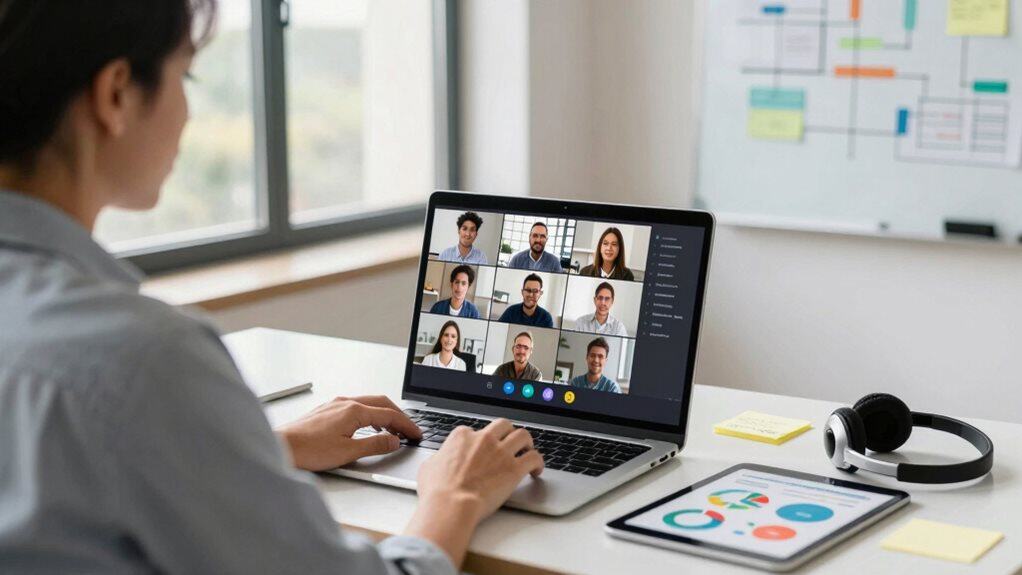

When your team’s scattered across homes, offices, and time zones, leading change stops being a simple rollout and becomes a test of trust, clarity, and consistency. You can’t rely on hallway chats or quick huddles, so every message, decision, and habit matters more. If you want people to adopt new ways of working instead of resisting them quietly, you’ll need a sharper playbook for remote change than most leaders ever learned.
The New Reality of Change in Hybrid and Remote Work
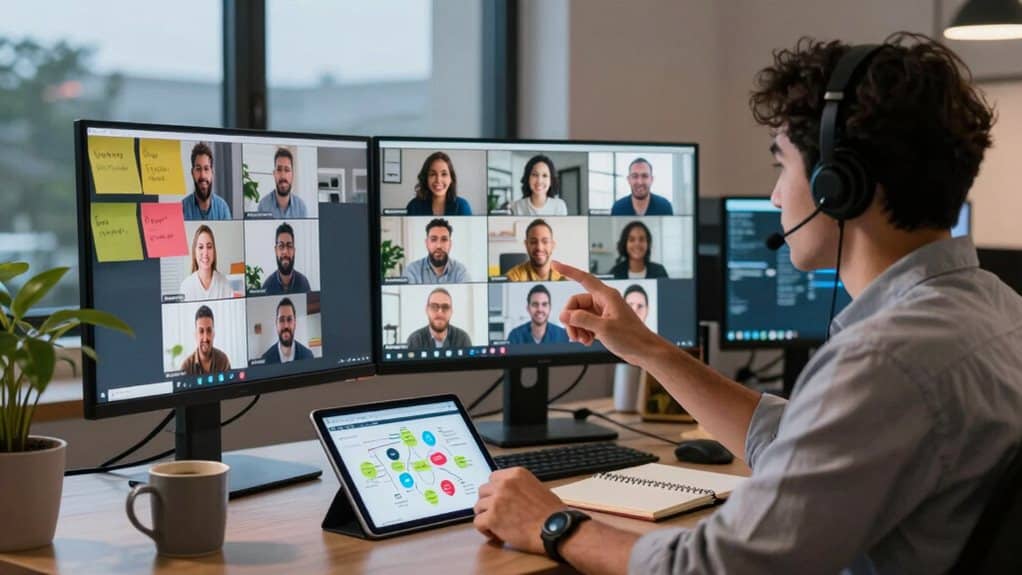
Even if it feels like the world’s still “figuring out” hybrid and remote work, the data shows we’ve already crossed a point of no return. Research shows that hybrid work satisfaction has consistently outperformed onsite work since 2021.
You’re leading in a labor market where hybrid roles are growing fast, on-site postings are shrinking, and senior talent expects flexibility by default. That means change adaptation isn’t optional; it’s the environment you operate in. Today, 88% of employers offer hybrid work options, signaling that flexibility is no longer a perk but a baseline expectation.
Hybrid dynamics are also getting more complex. Policies are tightening in some organizations, office days are creeping up, yet productivity and engagement remain highest when flexibility is real and expectations are clear. That makes clear and consistent communication the backbone of effective remote change management.
Hybrid is tightening and expectations rising, yet real flexibility still drives the strongest performance and engagement.
Your challenge is to design ways of working—check-ins, communication rhythms, decision rules—that protect autonomy while still delivering coordination, trust, and performance across locations and levels today, tomorrow, and through every major shift.
Why So Many Change Initiatives Fail in Distributed Teams
Hybrid and remote work may be your new normal, but most change playbooks still assume people sit together, hear the same messages, and feel the same level of connection—which is exactly why so many initiatives stall out. In distributed teams, resistance hides in chat threads and side calls, so you often notice it only when adoption numbers lag. Without active sponsorship, remote change efforts often stall because leaders are neither visible nor consistently reinforcing the change. People fear job loss or extra workload, yet leaders broadcast generic updates instead of two-way conversations, fueling change fatigue and employee disengagement. When leaders prioritize clear communication and active stakeholder engagement, they can align teams around the change and reduce hidden resistance before it derails progress.
Misaligned priorities, unclear ownership, and distracted sponsors leave you driving transformation without visible champions. When you rely on top-down emails, ignore informal influencers, and measure only checkbox compliance, you create a fragile façade of progress while real behaviors barely shift for you and customers. It’s no coincidence that only 34% of change initiatives actually succeed, given how often these remote-specific pitfalls are ignored.
Building Trust and Culture Without Walls
When your team rarely shares the same room, trust and culture stop being “nice-to-haves” and become the operating system that keeps everything running. As research highlights, consistent transparency in how work and decisions are shared is a key driver of trust and performance in remote teams.
Effective trust building strategies start with transparency: make work, decisions, and progress visible through shared project tools, and apply rules consistently so no one suspects favoritism. Involving people early in decisions and creating simple feedback loops around new ways of working significantly increases support for change in distributed teams.
You strengthen remote team bonding when you celebrate wins, acknowledge setbacks, and talk openly about what isn’t working.
Create psychological safety by inviting disagreement, thanking people for difficult feedback, and modeling vulnerability yourself.
Empower people with autonomy instead of micromanaging, set clear outcomes, then judge by results, not online presence.
Finally, take the team’s pulse on reliability, conflict, and support, and adjust your leadership behavior before small cracks widen into distrust and disengagement over time. Reinforce this foundation with regular one-on-one check-ins that cover growth, wellbeing, and job satisfaction so people feel seen, not surveilled.
Communicating Clearly Across Time Zones and Screens

When your team stretches across time zones and screens, you can’t rely on a single channel or a single moment to get your change message across, so you need to design multi‑channel messaging that reinforces the same core story in different formats. Research shows that each additional hour of temporal distance can cut synchronous communication by about 11%, underscoring how fragile real-time collaboration windows can be.
You also need clear norms for asynchronous communication—what goes in chat, what belongs in email, how quickly people should respond—so work keeps moving even when colleagues are offline. Even a one-hour time difference can significantly reduce real-time communication, so be explicit about which conversations truly need everyone present and which can wait.
Finally, you should visualize your change narrative with timelines, diagrams, and dashboards that people can return to on their own, giving them a stable reference point amid shifting schedules and priorities. To reduce the risk of loneliness in distributed teams, pair this with intentional remote engagement activities like virtual coffee breaks and regular check-ins that help people feel connected beyond task updates.
Designing Multi-Channel Messaging
As your team stretches across time zones and screens, the way you design your communication mix often matters more than the message itself. Leaders who invest in change management training are statistically more likely to see their communication strategies result in successful, sustainable change.
Start by defining multi channel strategies that match message type to the right tool: email for formal updates and approvals, instant messaging for quick decisions, video calls for complex issues, and live events for high‑stakes alignment. Quarterly tool audits and a documented communication charter help ensure each tool has a clear purpose, reducing the risk of costly miscommunication.
Treat project management tools as your shared source of truth, not another noisy chat stream.
To apply messaging best practices, specify which topics belong where, and how fast people should respond.
Limit active apps to a focused set, then tune notifications so people can think. By designing clear channels, you help remote employees convert the 72 extra minutes they gain from skipping commutes into focused, high‑impact work.
Finally, record important briefings so no one misses critical context due to scheduling across different time zones and work styles.
Asynchronous Communication Norms
You’ve chosen your channels and clarified which messages go where, but remote work really starts working once you agree on *how* communication happens over time, *rather than* *where*.
Set explicit norms for response windows, expected depth of replies, and when to move from async to a live call. When you rely on asynchronous tools—email, shared docs, Slack—you cut meeting fatigue, protect focus, and gain written records that keep details from slipping away.
Tell people it’s fine to reply within several hours, even across days for low‑urgency topics, so colleagues in other time zones can contribute without staying up late.
Emphasize communication benefits: fewer interruptions, more thoughtful input, faster delivery overall, and a healthier rhythm that reduces burnout while sustaining connection, supporting modern hybrid teams. These norms also strengthen two-way communication by enabling ongoing feedback that keeps hybrid teams aligned and engaged throughout periods of change.
Visualizing Change Narratives
How do you keep a change story coherent when your team is scattered across time zones and staring at different screens? You lean on visual storytelling. When you create visuals collaboratively with cross-functional partners, you can surface diverse perspectives and make implicit influence paths visible, reinforcing cross-functional collaboration while reducing confusion across silos.
When you turn updates into timelines, maps, and flowcharts, people grasp information faster and remember it longer, even if they only skim the recording later.
Build narrative continuity with a simple chronological visual: where you started, what changed, and what’s next. Add org charts and workflow diagrams so everyone sees who does what and whom to contact when questions appear overnight.
Use infographics for performance data, plus short videos or annotated screenshots in shift notes.
Mix static visuals with interactive boards to avoid fatigue and keep remote sessions focused, engaging, and aligned for every contributor, in every location.
Turning Resistance Into Participation and Ownership
Why does resistance to change feel so much sharper in hybrid teams, even when the change itself seems reasonable on paper?
In a dispersed environment, resistance factors hide in chat threads and silent cameras, so you must surface them deliberately. Start by naming the fears directly: lack of trust, unclear messages, exclusion from decisions, and anxiety about the unknown.
In hybrid teams, hidden resistance lives in silent cameras and side chats—surface fears before they harden into no.
When you treat these not as attitude problems but as data, you lower defensiveness.
Turn critics into co-creators. Invite people into shaping timelines, pilots, and success metrics, then show which suggestions you adopted.
Use transparent, two-way communication, short surveys, and open office hours as recurring feedback loops. As ownership grows, employee engagement rises, and resistance gradually shifts into practical, invested problem‑solving that benefits your team. By combining these habits with intentional stakeholder engagement practices, you create a supportive climate that sustains change in hybrid environments.
Equipping Leaders and Managers to Guide Remote Change
As you lead remote change, you’ll need to build leaders who aren’t only comfortable with uncertainty but equipped to use technology, data, and clear communication to guide others through it.
Your managers, in particular, must learn how to coach hybrid teams, balance flexibility with accountability, and model the behaviors that make new ways of working stick.
When you intentionally develop these capabilities, you turn your leadership layer into a force multiplier for engagement, adoption, and long-term resilience. By pairing this leadership development with strong stakeholder communication practices, you minimize disruptions and strengthen alignment throughout remote and hybrid transitions.
Building Change-Ready Leaders
Although tools, templates, and timelines all matter in remote change initiatives, your real leverage comes from leaders and managers who know how to guide people through uncertainty from a distance.
You build change-ready leaders by hardwiring leadership accountability and intentional trust building into everyday behavior, not merely slide decks. Ask leaders to communicate early, explain why decisions were made, and admit what they still don’t know.
Require clear agendas, inclusive input, and documented decisions in every virtual meeting, so people stay informed even when they can’t attend live. Help managers shift from task policing to outcome-oriented leadership, balancing flexibility with firm expectations.
Finally, establish a steady communication cadence and act visibly on feedback, proving that speaking up actually shapes change for everyone, across locations. For a deeper skillset, many organizations invest in immersive change workshops that blend simulations, case studies, and practical learning sessions to help leaders rehearse these behaviors before high-stakes transformations.
Coaching Managers for Hybrid
Leaders may set the tone for remote change, but managers carry it into the day-to-day reality of hybrid work, where confusion or clarity shows up in every meeting, message, and one-on-one.
You need managerial coaching that builds digital communication skills, so you can use collaboration and AI tools to reduce friction, capture meeting notes, and track team sentiment.
Treat hybrid leadership as outcome-focused: shift from presence to results, and use regular check-ins to align goals, address burnout, and have real career conversations.
Design explicit collaboration plans, balancing remote and in-person time, and protect psychological safety through transparent, consistent updates.
Finally, practice empathetic listening, because calm, honest change communication from you can sharply increase trust, engagement, and performance.
Your example turns hybrid uncertainty into momentum.
Measuring Progress and Sustaining Momentum Over Time
When you’re leading remote or hybrid change, measuring progress and keeping momentum isn’t about tracking every keystroke, it’s about watching the right signals over time and acting on what they tell you.
You choose a few progress metrics that actually reflect how work gets done: focus-time ratio, cross-team collaboration strength, and manager 1:1 frequency.
You also track team overlap, workday intensity patterns, and burnout indicators so productivity gains don’t erode well-being.
Then you pair those numbers with thoughtful engagement strategies, like regular feedback pulses and transparent dashboards, so people see how their efforts move the needle and feel trusted, not surveilled.
You sustain momentum with SMART goals, OKRs, planned-versus-completed dashboards, and concise progress reviews that surface obstacles early and trigger targeted coaching and support.
Frequently Asked Questions
How Should We Adapt Physical Office Spaces to Support Ongoing Hybrid Change Initiatives?
You redesign the office around collaborative spaces, flexible layouts, and smart booking tools, shrinking unused desks, expanding small rooms, adding wellness and touchdown zones, and co-creating schedules so hybrid teams experiment, learn and sustain change.
Which Digital Tools Best Support Change Management Documentation and Decision Trails in Remote Teams?
You’ll combine Wrike or Asana with Jira and ServiceNow for structured digital documentation and decision tracking, then layer in Slack, Miro, Whatfix, WalkMe, Zapier, and Guru to capture conversations, workflows, approvals, and user guidance history.
How Can We Onboard New Hires Into an In-Progress Change While Fully Remote?
You onboard new hires into in-progress change by designing virtual onboarding that explains the change story, clarifies roles, uses transparent change communication, pairs buddies, schedules Q&A sessions, and tracks early feedback through simple digital workflows.
What Budget Considerations Are Unique to Remote and Hybrid Change Programs?
You’ll plan budget allocation for collaboration tools, secure infrastructure, remote training, stipends for home office setups, dual equipment, leadership coaching, mental health support, compliance across jurisdictions, and change management resources customized to hybrid teams effectively.
How Do Global Labor Laws Impact Restructuring or Role Changes in Distributed Workforces?
You steer restructuring by mapping roles to each country’s labor laws and severance rules, or you risk litigation. Distributed teams amplify compliance challenges because international regulations on redundancy, consultation, and benefits differ and demand oversight.
Final Thoughts
As you lead change in a hybrid world, remember that your real advantage isn’t technology, it’s trust. When you communicate clearly, listen actively, and invite people into decisions, you turn uncertainty into momentum. Use the tools, rhythms, and metrics you’ve defined, but stay human and visible, even through a screen. If you keep learning, adjusting, and involving your team, you won’t just manage remote change—you’ll shape a stronger, more resilient culture for the long term.
Enjoying our content? Make us a preferred source on Google.
Add us as a Preferred Source on Google