



Most organizations struggle with change management because employees feel exhausted and left out of the process. Employee willingness to support organizational change has dropped from 74% in 2016 to just 38% today, creating what experts call “change fatigue.” An open-source change management strategy involves employees as active co-creators rather than passive recipients, making organizations 14 times more likely to achieve change success while reducing the risk of change fatigue by 29 percentage points.
This approach shifts away from traditional top-down directives that often fail because leaders don’t understand day-to-day workflow realities. You’ll learn how to involve your team in decision-making, shift implementation planning to the people doing the actual work, and create ongoing two-way conversations throughout your organization. These methods not only improve your chances of success but also build a culture where employees feel valued and empowered.
The key is understanding that open-source change management is people-focused and requires specific strategies for building engagement, selecting the right tools, and measuring results. You’ll discover practical steps to move beyond one-sided communication and create an environment where your team becomes the driving force behind transformation rather than resisting it.
Understanding Open-Source Change Management
Open-source change management shifts control from executives alone to include employees at all levels in shaping organizational transformation. This approach prioritizes transparency, collaboration, and employee input over traditional top-down directives.
Key Principles of Open Source Change Management
The collaborative approach to change management centers on three core practices. First, you involve employees in key decisions rather than simply announcing changes from leadership. This means creating focus groups and asking for input on direction and strategy.
Second, you hand implementation planning to the people doing the actual work. Your employees understand daily workflows better than executives, so they design more practical plans. They map out the specific steps needed while leaders provide the overall framework.
Third, you maintain ongoing two-way conversations throughout the change process. Instead of broadcasting updates, you create dialogue through town halls, feedback loops, and team check-ins. Employees can voice concerns, ask questions, and contribute ideas as the initiative unfolds.
Benefits Over Proprietary Approaches
Organizations that implement open-source change strategies are 14 times more likely to achieve change success compared to traditional methods. You also reduce change fatigue risk by 29 percentage points and increase employee intent to stay by up to 19 percentage points.
When you give employees ownership over change, they become invested co-creators instead of reluctant participants. Your implementation plans become more creative and practical because the people closest to the work design them. Employee willingness to support organizational change has dropped from 74% in 2016 to just 38% today, making this collaborative model essential for success.
Common Challenges and Considerations
You may worry that involving more people will slow down decision-making. The key is creating targeted groups based on expertise rather than inviting everyone to weigh in on every choice. You need clear guardrails about where employee input matters most and where organizational constraints exist.
Leaders must demonstrate new behaviors like engaging in genuine dialogue and being transparent about how decisions get made. You should start small by piloting open-source principles with one department first. This lets you collect feedback and learn from early mistakes before rolling out the approach more widely.
Formulating an Open-Source Change Management Strategy

Creating an effective open-source change management strategy requires clear objectives, well-defined stakeholder roles, and tight alignment with your business goals. These three elements form the foundation that transforms traditional top-down approaches into collaborative, employee-driven change initiatives.
Establishing Strategic Objectives
You need to define specific, measurable objectives before launching your open-source change management approach. Start by identifying what success looks like for your organization. Do you want to reduce change fatigue by a specific percentage? Are you aiming to increase employee willingness to support change initiatives?
Your objectives should address the current state of employee engagement with change. Research shows that employee willingness to support organizational change has dropped from 74% in 2016 to just 38% today. Set targets that directly counter this decline.
Write down three to five concrete goals. These might include improving implementation success rates, reducing turnover during transitions, or increasing the number of employee-generated solutions. Each objective needs a timeline and a way to measure progress.
Identifying Stakeholders and Roles
Your open-source strategy depends on identifying who participates in decision-making and implementation planning. Unlike traditional models, you’ll involve employees at multiple levels rather than keeping control at the top.
Start by mapping out key stakeholder groups:
- Executive sponsors who provide vision and remove barriers
- Frontline employees who understand daily workflow realities
- Middle managers who bridge strategy and execution
- Subject matter experts across different departments
- Change champions who advocate for the initiative
Define what each group contributes. Frontline employees should own implementation planning since they know the practical constraints of their work. Executives maintain the strategic direction while ensuring resources are available. Middle managers facilitate communication and help teams navigate competing priorities.
Clarify decision-making authority for each role. Employees need to know where their input matters most and where organizational constraints exist.
Aligning with Business Goals
Your open-source change strategy must connect directly to broader business objectives. This alignment ensures that collaborative approaches serve real organizational needs rather than becoming exercises in participation for its own sake.
Review your company’s strategic priorities for the next year. Identify which changes are necessary to achieve these goals. Then determine how employee involvement in these changes accelerates progress.
For example, if your business goal is improving customer satisfaction, your open-source change strategy might involve customer-facing employees in redesigning service processes. If the goal is operational efficiency, bring warehouse or production workers into workflow optimization decisions.
Document how each change initiative supports specific business outcomes. This documentation helps you justify the time investment required for collaborative approaches and keeps everyone focused on what matters most.
Building Engagement and Collaborative Culture

Creating real engagement means giving employees ownership over change decisions and building spaces where ideas flow freely across teams. When people feel heard and involved, they commit to making changes work.
Empowering Employee Participation
You need to give employees actual decision-making power, not just ask for feedback you’ll ignore. Organizations that involve employees in decision-making increase change success by 15% compared to traditional top-down approaches.
Start by creating focused working groups based on specific skills or perspectives. Ask clear questions about what you need from these groups. Do you want new ideas, critiques of current plans, or feedback on whether something will work?
Use a meritocracy approach where the best ideas win regardless of job title or seniority. This mirrors how open source projects operate in the technology world. Contributors earn influence through the quality of their work, not their position.
Give teams real control over implementation planning. When employees primarily own implementation planning, change success increases by 24%. They understand daily workflow realities better than executives do.
Encouraging Cross-Functional Collaboration
Break down walls between departments by forming cross-functional teams for change initiatives. Different perspectives catch problems early and generate creative solutions you wouldn’t find in isolated groups.
Set up regular collaboration sessions where teams from different areas share progress and challenges. Use shared digital tools where everyone can contribute ideas and see updates in real time.
Create incentives that reward team success rather than individual achievement. This shifts focus from competition to cooperation. Recognize teams that bring forward innovative solutions that help multiple departments.
Assign liaisons between departments to maintain ongoing connections beyond specific projects. These people help information flow naturally and prevent silos from rebuilding after the initial change effort ends.
Fostering Open Communication Environments
Replace one-way announcements with genuine two-way dialogue throughout your change process. Two-way conversations build understanding and help employees grasp the reasoning behind decisions even when they disagree with them.
Hold live town halls with dedicated Q&A time. Let employees vote on which questions matter most to them. This ensures you address real concerns instead of topics leadership thinks are important.
Create feedback loops using collaboration tools or surveys where people can post reactions and suggestions as the project moves forward. Respond publicly to show you’re listening and explain which ideas you’re implementing and why.
Schedule regular department huddles led by local team leaders. These smaller meetings give people safe spaces to ask questions they might not raise in larger forums.
Choosing and Implementing Open-Source Tools

Selecting the right open-source change management tools requires careful evaluation of your organization’s needs, ensuring smooth integration with current systems, and maintaining strong security standards.
Evaluating Best-Fit Open Source Tools
You need to assess multiple factors before choosing open-source change management tools. Start by identifying your specific requirements, such as issue tracking, version control, or workflow automation.
Look at the size and activity level of the tool’s community. A large, active community means you’ll get better support and more frequent updates. Check how often the software receives updates and bug fixes.
Review the documentation quality. Good documentation saves you time during implementation and troubleshooting. Test the tool’s features against your change management needs.
Consider the learning curve for your team. Some tools are easier to learn than others. You should also evaluate whether the tool works well on different operating systems, including Linux.
Compare open-source options to proprietary software you currently use. Organizations using open-source change management tools can significantly reduce licensing costs while gaining more customization options.
Integration with Existing Systems
Your chosen open-source software must work with your current technology stack. Check if the tool offers APIs or plugins for your existing systems.
Test integration capabilities before full deployment. Run small pilot projects to identify potential conflicts or compatibility issues. Document any customizations you make to the open-source code.
Many open-source change management tools support standard protocols and formats. This makes connecting different systems easier. Look for tools that offer import and export functions for your data.
Plan how you’ll migrate data from old systems to new open-source tools. Create a detailed integration roadmap with specific timelines. Assign team members to handle different aspects of the integration process.
Ensuring Security and Compliance
Security should be your top priority when implementing open-source change management tools. Review the tool’s security track record and how quickly the community addresses vulnerabilities.
Set up regular security audits for your open-source software. Keep all tools updated with the latest security patches. The open nature of the source code allows for greater scrutiny, but you still need active monitoring.
Verify that your chosen tools meet industry compliance requirements. Check if the software supports required security features like encryption, access controls, and audit logs.
Create clear policies for who can modify the open-source code in your organization. Establish a process for reviewing and approving code changes. Train your team on security best practices specific to open-source tools.
Document your security procedures and compliance measures. This helps during audits and makes onboarding new team members easier.
Training and Skill Development for Open-Source Adoption

Building a skilled workforce requires structured training programs and continuous learning opportunities. Employees need both technical knowledge of open source tools and understanding of licensing requirements to work effectively with these technologies.
Designing Training Programs
Your training program should address both technical skills and organizational policies for open source usage. Open source management training typically covers critical elements like license compliance, component management, and best practices for enterprise environments.
Start by identifying skill gaps in your organization. You need to assess which employees work directly with open source components and which need general awareness training.
Create separate tracks for different roles:
- Developers: Focus on coding practices, version control, and community contribution guidelines
- Legal teams: Cover license types including MIT, Apache, GPL, and BSD licenses
- Management: Address strategic decision-making and risk assessment
Your program should include hands-on exercises with real open source projects. Practice with Linux systems, machine learning frameworks, or other tools your organization uses helps employees apply concepts immediately.
Upskilling Employees on Open Source Technologies
You need to provide employees with practical experience using the specific open source technologies your organization adopts. Technical skills development goes beyond basic awareness to include implementing open source components, vulnerability scanning, and inventory management.
Focus training on the platforms your teams actually use. If your infrastructure relies on Linux, dedicate time to system administration and command-line proficiency. For data science teams working with machine learning, provide training on popular frameworks and their licensing implications.
Set up sandbox environments where employees can experiment safely. These practice spaces let your staff test configurations, break things, and learn from mistakes without affecting production systems.
Consider certifications for key team members. Professional credentials demonstrate expertise and give your organization confidence in its open source capabilities.
Promoting Lifelong Learning
Open source technologies evolve rapidly, so your training cannot be a one-time event. You need to build a culture where continuous learning becomes part of daily work.
Encourage employees to participate in open source communities. Contributing to projects provides real-world experience and keeps your team current with emerging practices.
Allocate time for professional development. Set aside hours each week for employees to explore new tools, read documentation, or complete online courses. This investment pays off through improved capabilities and innovation.
Create internal knowledge-sharing sessions where team members present what they have learned. These meetings spread expertise across your organization and highlight practical applications of new skills.
Track industry developments that affect your open source strategy. Subscribe to relevant newsletters, attend conferences, and monitor security advisories to stay informed about changes that impact your systems.
Measuring Success and Continuous Improvement

Track specific metrics to understand how well your open-source change management strategy performs and identify areas that need adjustment. Regular feedback collection and strategy updates help you maintain momentum and address issues before they become bigger problems.
Defining Metrics and KPIs
You need clear metrics to track your change management initiatives and measure whether your open-source adoption is working. Start by setting specific goals for your change management efforts, such as the percentage of team members actively contributing to open source projects or the time it takes to onboard new contributors.
Key metrics to track include:
- Adoption rate: Number of employees using open-source tools divided by total employees
- Contribution frequency: How often team members submit code, documentation, or feedback to open source projects
- Training completion: Percentage of staff who finished required open-source training programs
- Process compliance: Whether teams follow your established open-source guidelines and policies
Calculate your adoption rate by dividing the number of employees using the new open-source process by the total number of employees, then multiply by 100. Track this metric monthly to spot trends. You should also measure employee productivity before and after implementing open-source tools to see if the changes help or hurt output.
Set realistic targets for each metric based on your organization’s size and current capabilities. A small team might aim for 50% adoption in the first quarter, while larger organizations may need six months to reach that level.
Collecting Feedback from Stakeholders
You need input from everyone involved in your open-source change management strategy. This includes developers who use the tools daily, managers who oversee projects, and executives who make budget decisions.
Use anonymous surveys to get honest feedback about what works and what doesn’t. Ask specific questions like “What obstacles prevent you from contributing to open source projects?” or “Which training resources helped you most?” Survey your team at regular intervals—monthly for new initiatives and quarterly once the change management process stabilizes.
Hold focus groups with different stakeholder types to dig deeper into survey responses. A 30-minute session with five to eight participants can reveal issues that surveys miss. You can also monitor engagement by tracking attendance at key meetings or workshops related to open-source adoption.
Create feedback channels that employees can use anytime, such as a dedicated Slack channel or email alias. Quick feedback helps you spot and fix small problems before they grow.
Iterative Strategy Enhancement
Your open-source change management strategy needs regular updates based on the data and feedback you collect. Review your metrics every month to identify patterns and problem areas.
When you notice low adoption rates in specific departments, investigate why. Perhaps those teams need different training methods or face technical barriers you didn’t anticipate. Adjust your approach quickly rather than waiting for formal review cycles.
Test changes on a small scale first. If you want to modify your training program’s effectiveness, pilot the new approach with one team before rolling it out company-wide. This reduces risk and lets you refine the changes based on real results.
Document what you learn from each iteration. Keep a record of which strategies increased open source adoption and which fell flat. This knowledge helps you make better decisions as your change management efforts evolve.
Schedule quarterly strategy reviews with key stakeholders to discuss major adjustments. Between these reviews, empower team leads to make smaller tactical changes based on immediate needs. This balance keeps your strategy responsive without creating chaos.
Future Trends in Open-Source Change Management
Technology advances and collaborative work methods are reshaping how organizations handle change. Machine learning tools provide deeper insight into employee patterns, while blockchain creates secure records of change decisions and open source communities expand their influence beyond software development.
Emergence of AI and Machine Learning
AI and machine learning are transforming how you track and respond to change initiatives in real time. These tools analyze employee feedback, participation rates, and implementation progress to predict potential roadblocks before they derail your projects.
Machine learning algorithms can identify patterns in how different teams respond to change. This helps you customize your approach for each department based on data rather than guesswork.
You can use AI to:
- Monitor engagement levels across different employee groups
- Predict which teams might resist upcoming changes
- Recommend the best timing for new initiatives
- Generate personalized communication for different roles
The technology also reduces the manual work needed to track change metrics. Instead of waiting weeks for survey results, you get instant feedback on what’s working and what needs adjustment.
Blockchain Integration in Change Processes
Blockchain technology creates permanent, transparent records of decisions made during change initiatives. This addresses a common problem where employees question who approved certain changes or why specific directions were chosen.
Every decision, vote, or input from team members gets recorded in a way that cannot be altered later. You maintain a complete history of how your change process evolved.
Key benefits include:
- Complete transparency in decision-making
- Permanent documentation of employee contributions
- Clear accountability for change outcomes
- Reduced disputes about what was agreed upon
This technology particularly helps remote or distributed teams who need to trust the change process without being physically present. Blockchain ensures that collaborative decisions remain visible and verifiable to everyone involved.
Expanding Roles of Open Source Communities
Open source communities are moving beyond software development to share change management frameworks and tools. You can now access tested change strategies from organizations worldwide without paying for expensive consulting services.
These communities create shared resources like templates, playbooks, and assessment tools that you can adapt for your needs. Members contribute real experiences about what worked and what failed in their change initiatives.
The open source community provides:
- Free access to proven change frameworks
- Peer support from other change leaders
- Regular updates based on collective learning
- Customizable tools that fit your organization
You benefit from collective wisdom rather than relying solely on internal expertise. Organizations share their open-source change management approaches, allowing you to learn from hundreds of real-world implementations instead of starting from scratch.
Frequently Asked Questions
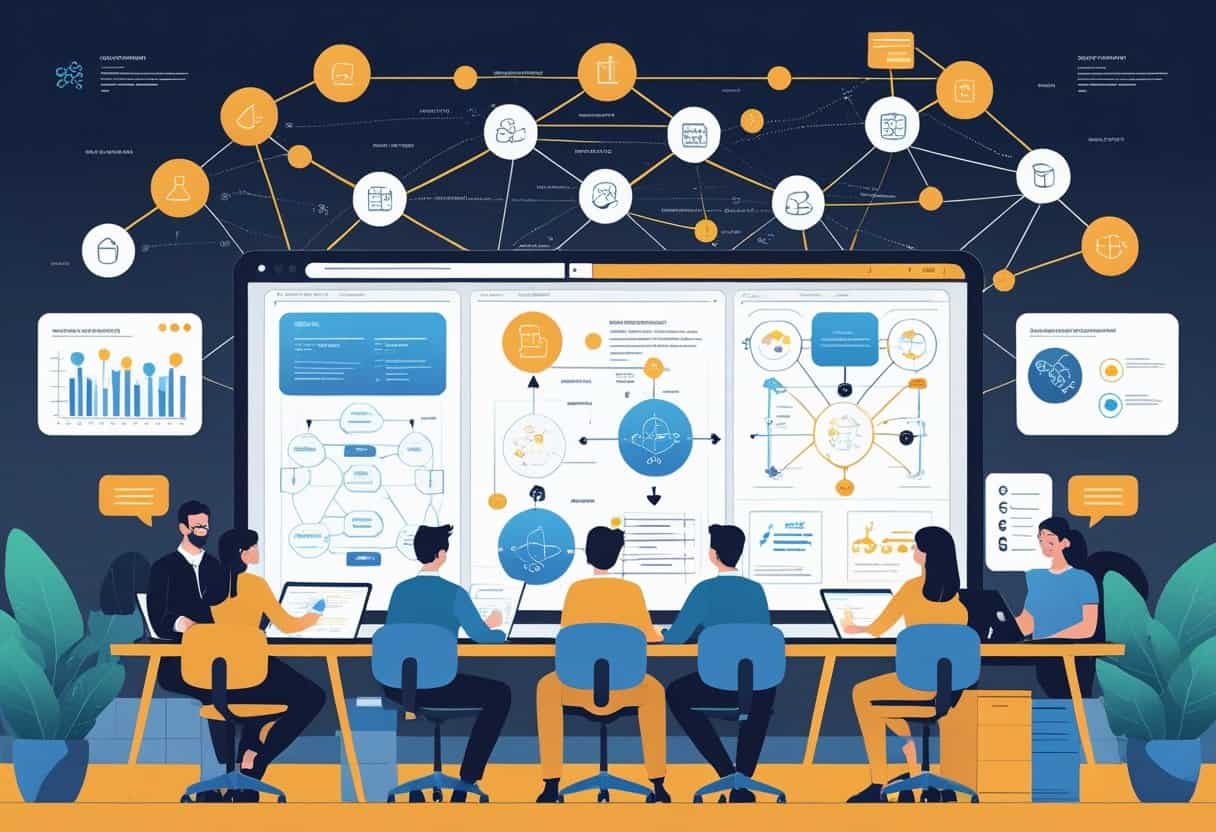
Organizations considering this approach need clear answers about implementation steps, measurement methods, integration possibilities, and how these solutions compare to traditional software options.
What are the steps to implementing an open-source change management tool within an organization?
Start by assessing your current change management needs and identifying gaps in your existing processes. You should research available open-source tools that align with your requirements and evaluate them based on features, community support, and compatibility with your systems.
Form a small pilot team to test the selected tool in a controlled environment. This team should include members from different departments who will actually use the software.
Document your findings during the pilot phase and gather feedback from all participants. You need to identify any technical issues, training needs, or workflow adjustments before rolling out the tool organization-wide.
Create a phased implementation plan that includes timelines, training schedules, and support resources. Your plan should also define roles and responsibilities for maintaining and updating the tool.
How can a company measure the effectiveness of its open-source change management strategy?
Track the time it takes to implement changes from start to finish and compare this to your previous metrics. You should see improvements in speed and efficiency if your strategy is working well.
Monitor employee engagement levels through surveys and participation rates in change initiatives. Open-source change management approaches that involve employees in decision-making typically show higher engagement scores.
Measure the success rate of completed changes against planned objectives. Your organization should track how many changes meet their intended goals within the expected timeframe.
Calculate cost savings by comparing expenses before and after adopting the open-source approach. This includes software licensing fees, support costs, and time spent on change activities.
What are the common challenges faced when shifting to an open-source change management process, and how can they be overcome?
Resistance from employees who are comfortable with existing systems represents a major hurdle. You can overcome this by involving staff early in the selection and implementation process and clearly communicating the benefits.
Technical complexity can slow adoption when your team lacks experience with open-source software. Address this by providing comprehensive training and establishing internal champions who can support others.
Integration issues with existing systems may create friction during the transition. You should work with your IT team to test integrations thoroughly and document any workarounds or customizations needed.
Concerns about support and reliability often arise since open-source tools lack traditional vendor support. Build relationships within the open-source community and consider hiring developers familiar with your chosen tools.
Can open-source change management strategies be effectively integrated with existing proprietary systems, and if so, how?
Most modern open-source tools offer APIs and integration capabilities that allow them to connect with proprietary systems. You can use these interfaces to share data between platforms and maintain workflow continuity.
Middleware solutions can bridge gaps between open-source and proprietary software when direct integration is not possible. Your IT team can implement these connecting tools to ensure smooth data flow.
Custom scripts and plugins provide another integration option for organizations with specific requirements. You may need to work with developers who understand both your open-source tools and existing systems.
Start with limited integrations for critical workflows before expanding to other areas. This approach lets you identify and resolve issues without disrupting your entire operation.
What best practices should organizations follow when transitioning to an open-source change management model?
Build a strong internal community around your open-source tools by creating communication channels and knowledge-sharing platforms. You need people who can help each other solve problems and share insights.
Contribute back to the open-source projects you use by reporting bugs, suggesting improvements, or sharing your customizations. Your contributions strengthen the community and improve the tools for everyone.
Document all customizations, configurations, and integration methods your organization implements. This documentation protects you from knowledge loss when team members leave.
Establish clear governance policies for managing updates, security patches, and version control. You should balance the need for new features with system stability.
Foster a culture of collaboration where employees actively participate in planning and implementing changes. This people-focused approach increases buy-in and reduces resistance.
How does open-source change management software compare to traditional proprietary solutions in terms of scalability and adaptability?
Open-source solutions offer greater flexibility because you can modify the source code to meet your specific needs. Traditional proprietary software limits you to the features and configurations the vendor provides.
Scalability with open-source tools depends on your technical resources and infrastructure rather than licensing restrictions. You can add users and expand functionality without negotiating new contracts or paying additional fees.
Adaptability is stronger with open-source options since you control when and how updates are applied. Proprietary solutions force you to adapt to the vendor’s update schedule and feature changes.
Open-source software typically integrates more easily with other systems because of its transparent architecture and active developer communities. Proprietary solutions may restrict integrations to protect their market position.
The community-driven nature of open-source projects means improvements come from many contributors rather than a single vendor. Your organization benefits from diverse perspectives and faster innovation cycles.